
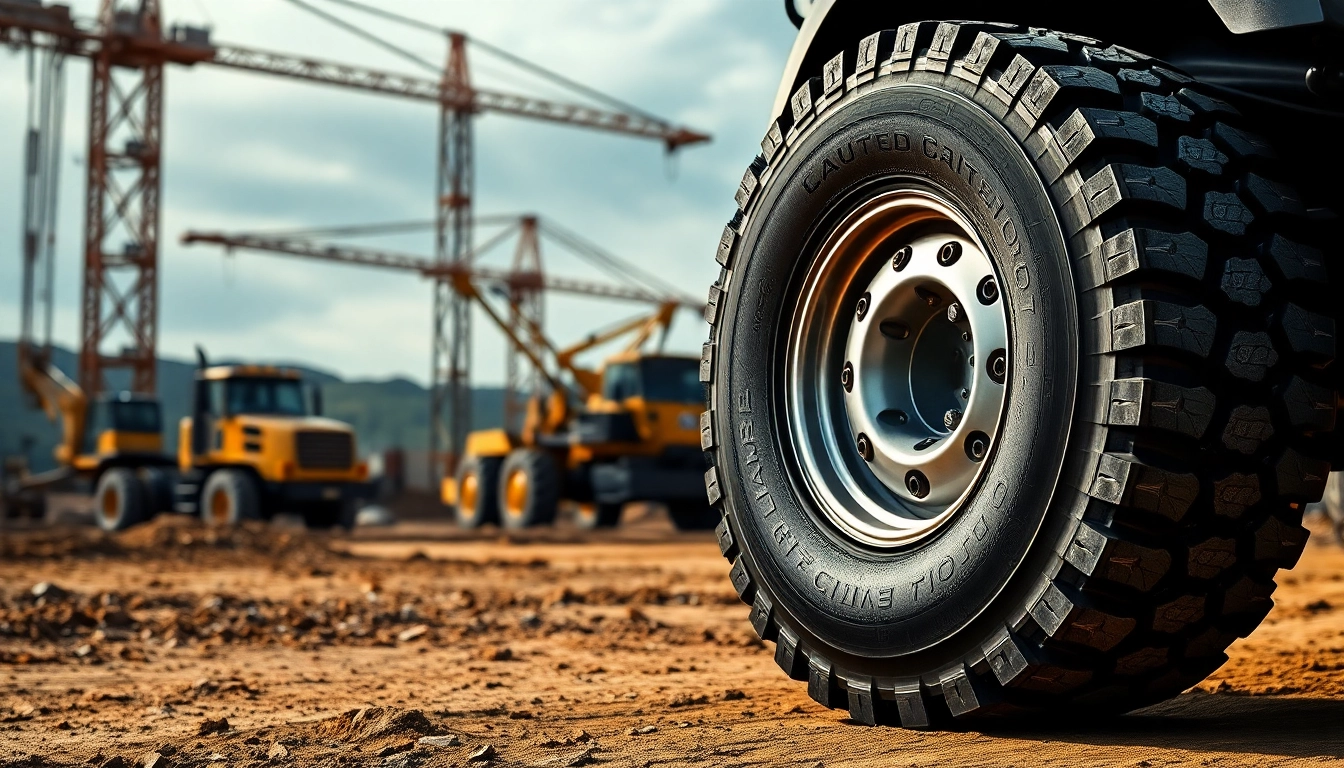
Understanding the RR99 Tire: Features and Benefits
The RR99 tire has carved a niche for itself in the heavy-duty vehicle segment, especially for those requiring reliable mixed service performance. Designed to deliver exceptional versatility, the RR99 is engineered for both on and off-highway applications. As fleets look for tires that can withstand diverse conditions, understanding the specific features and benefits of the RR99 tire becomes imperative. When exploring options, RR99 provides comprehensive insights into the performance metrics you can expect.
1. Key Specifications of the RR99 Tire
The RR99 tire is characterized by its robust specifications that make it suitable for a wide range of heavy-duty applications. Some of the key specifications include:
- Tread Design: The tire features a strong all-position tread pattern that enhances traction across varying surfaces.
- Weight Capacity: It supports heavy load capacities, up to 10,000 lbs, making it ideal for commercial trucking.
- Ply Rating: With a ply rating of up to 16, the RR99 is built to handle substantial wear and tear.
- Construction: Made from cut, chip, and tear-resistant materials, ensuring longevity and durability.
2. Advantages of Using RR99 in Mixed Service
The versatility of the RR99 is one of its most significant advantages. Its design allows it to excel in mixed service conditions, offering benefits such as:
- Adaptability: Capable of handling both highway and off-road conditions.
- Improved Traction: The tread pattern provides reliable grip, which is crucial for safety in challenging environments.
- Cost Efficiency: The tire’s durability translates to reduced replacement frequency and maintenance costs over time.
3. Comparison with Competitor Tires in the Market
When evaluating the RR99 against competitors, it stands out in several areas:
- Performance: Compared to other all-position tires, the RR99 holds up better in both wear and load capacity tests.
- Pricing: The RR99 often retails at a competitive price point, making it an attractive option for fleet operators.
- Availability: Widely available through numerous tire distributors, enhancing accessibility for fleet managers.
Applications of the RR99 Tire in Various Industries
The RR99 tire is not just designed for versatility; it also caters to specific industry needs. Understanding the applications is critical for fleet owners and logistics managers.
1. Importance of All-Position Tires in Heavy-Duty Vehicles
All-position tires like the RR99 play a crucial role in heavy-duty vehicle operations. They enable vehicles to perform efficiently across various terrains, ensuring that they are equipped for any job. This adaptability fosters safety and operational efficiency, allowing businesses to maximize their resources.
2. RR99 in Construction and Off-Road Environments
In construction settings, the RR99’s durability shines. Its resistance to cuts and chips allows it to withstand the rigors of rough job sites. With reliable traction, it can safely navigate uneven surfaces, making it a preferred choice for construction companies.
3. Benefits for Freight Transport Companies Using RR99
Freight transport companies benefit significantly from the RR99 tire, emphasizing:
- Reduced downtime due to tire failure, thanks to the tire’s robust construction.
- Enhanced fuel efficiency owing to optimized rolling resistance.
- Flexibility as the tire can easily transition from highway to off-road conditions without requiring a swap, saving time and costs.
Installation and Maintenance of RR99 Tires
To ensure the longevity and performance of the RR99 tire, proper installation and maintenance are crucial. Below is a comprehensive guide for fleet managers and operators.
1. Step-by-Step Guide to Installing RR99 Tires
Installing the RR99 tire requires careful consideration and following these essential steps:
- Preparation: Inspect the wheel rim for any damage.
- Mounting: Align the tire with the valve stem and ensure it is seated properly on the rim.
- Inflation: Inflate to the manufacturer’s recommended pressure.
- Final Checks: Inspect for any bulges and ensure the tire is secure on the rim.
2. Best Practices for Maintaining Tire Performance
To maximize the lifespan and performance of your RR99 tires, consider the following maintenance tips:
- Regular Inspections: Frequent checks for wear, pressure, and alignment.
- Proper Inflation: Maintaining the correct tire pressure for optimal performance and fuel efficiency.
- Rotation: Regularly rotate tires to ensure even wear, extending their life.
3. Common Misconceptions About Tire Care and Longevity
Many myths surround tire maintenance, including:
- Overinflation is better: This can lead to a harsher ride and increased risk of blowouts.
- All tires wear out equally: Different driving conditions can lead to uneven wear necessitating vigilant monitoring.
Future Trends in Heavy-Duty Tires: Looking Ahead to 2026
As technology progresses, the heavy-duty tire industry is poised for significant changes. Understanding these trends can help businesses stay ahead of the curve.
1. Innovations in Tire Technology and Design
Future innovations will likely focus on enhanced materials that provide better durability and performance. Advancements in tread design will also play a crucial role in improving traction and efficiency.
2. Sustainability in Tire Production and Usage
As sustainability becomes a priority, tire manufacturers are expected to explore eco-friendly materials and production processes, reducing the overall environmental footprint of tire manufacturing.
3. Expected Market Changes for Heavy-Duty Tires
In the coming years, we can anticipate shifts in supply and demand as the market evolves to accommodate more technologically advanced and sustainable tire options.
Choosing the Right Tires for Your Heavy-Duty Fleet
Choosing the right tire is a critical decision for any fleet manager. The right choices can improve efficiency, safety, and cost-effectiveness.
1. Evaluating Tire Performance Metrics
Key metrics to consider include tread wear, load capacity, and traction performance across various surfaces. These will determine the suitability of tires like the RR99 for specific operational needs.
2. Cost-Benefit Analysis of Using RR99 Tires
When conducting a cost-benefit analysis, consider the initial investment, expected lifespan, maintenance needs, and operational savings derived from using durable tires like the RR99. More often than not, the long-term savings outweigh the upfront costs.
3. Expert Recommendations for Tire Selection
Consulting with tire specialists can provide valuable insights tailored to your fleet’s specific needs, helping you make informed decisions that align with both performance expectations and budget constraints.. Additionally, Miễn Trừ Trách Nhiệm RR99 provides further details.
